 VIVULAR
Components of Balanced Nutrition
Understanding the role of macronutrients, micronutrients, and other essential compounds in supporting bodily function.
Introduction to Nutritional Science
Nutrition is the science of how food and its components interact with the body to maintain health, support growth, and enable the countless biochemical processes that sustain life. Understanding nutrition requires examining the relationship between specific nutrients and their physiological roles—a field grounded in extensive research and biological understanding.
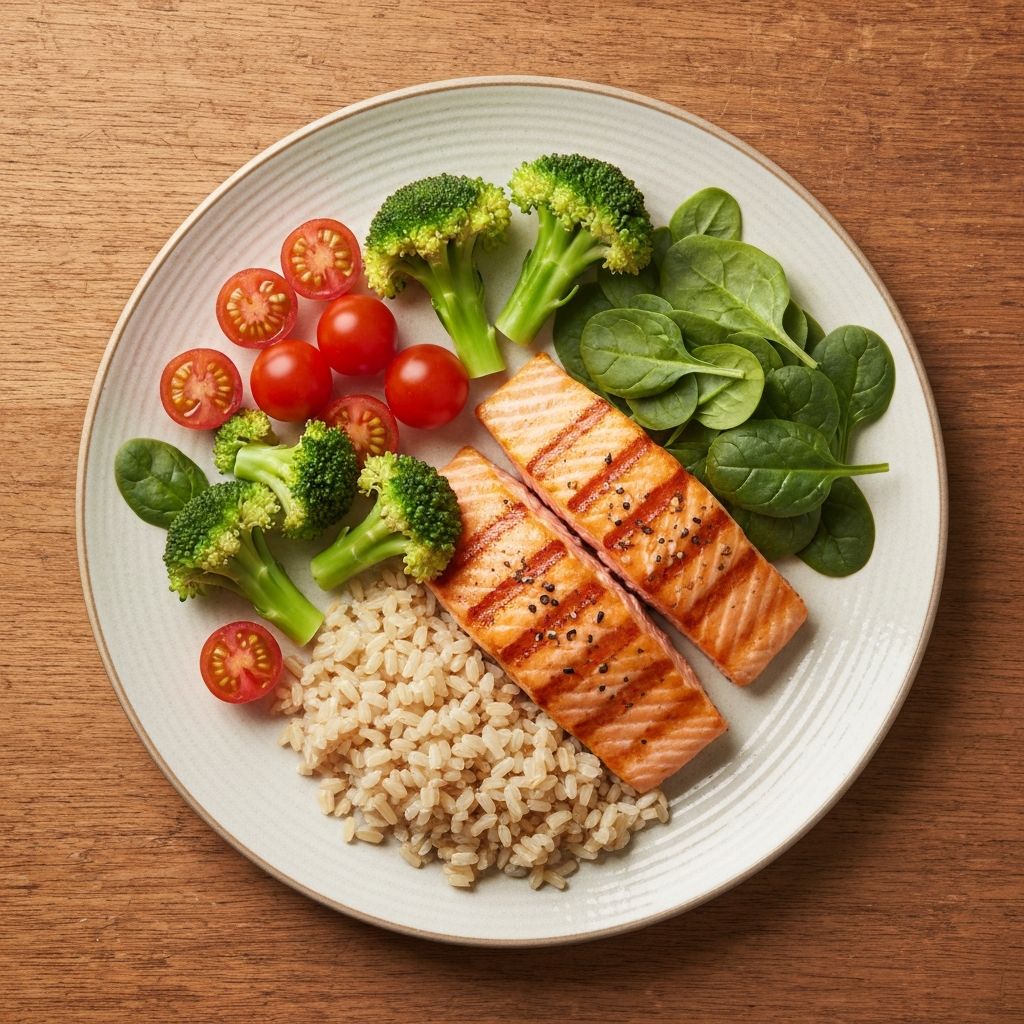
A balanced diet comprises various categories of nutrients, each serving distinct but interconnected functions. Rather than viewing nutrition as a system of restrictions or rules, it is helpful to understand it as a complex ecosystem of compounds working together to sustain bodily function.
Macronutrients
Proteins
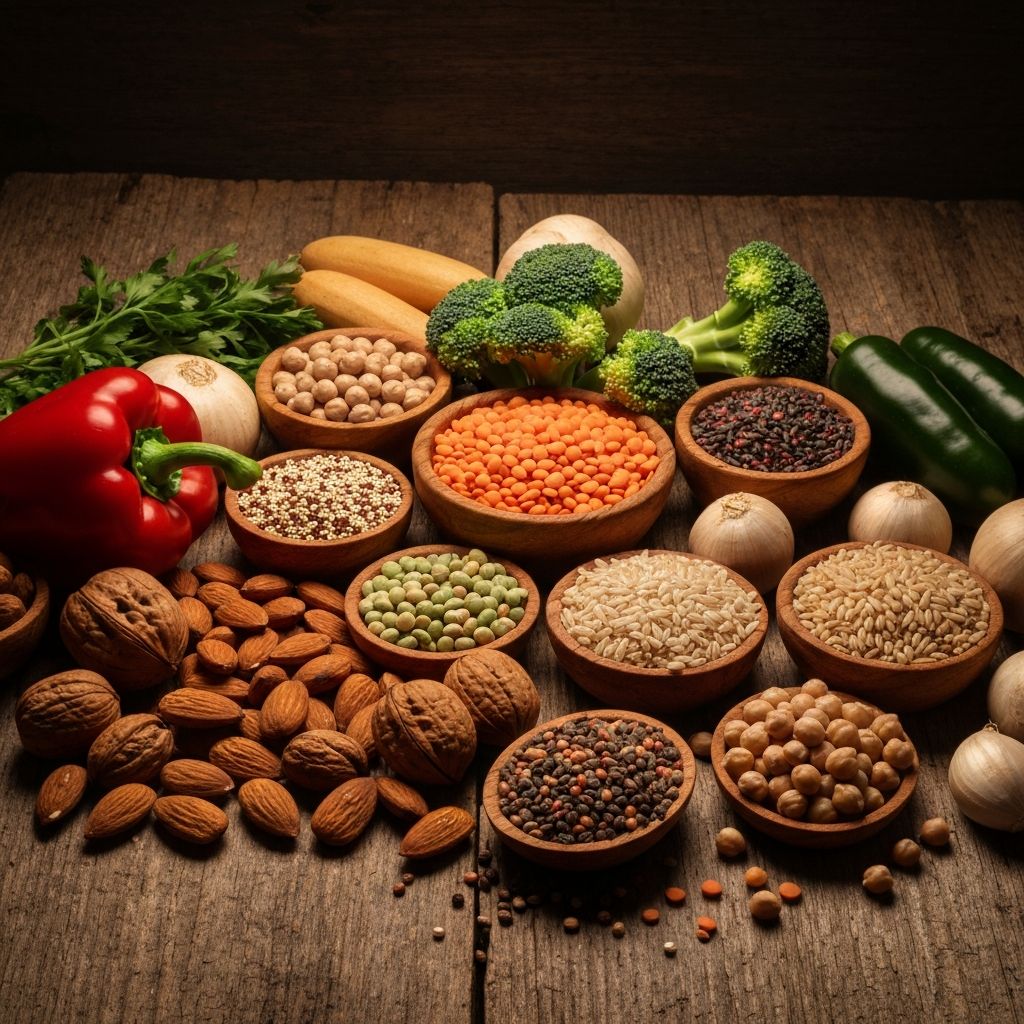
Amino acids are the building blocks of proteins, which are essential for muscle tissue, enzymes, hormones, and immune function. Proteins can be sourced from both animal products (meat, dairy, eggs) and plant sources (legumes, nuts, seeds).
Carbohydrates
Carbohydrates provide the primary energy source for the body and brain. Complex carbohydrates—found in whole grains, legumes, and vegetables—are digested more slowly and provide sustained energy compared to simple sugars.
Fats
Dietary fats support hormone production, nutrient absorption, cell structure, and brain function. Fats from various sources—nuts, seeds, oils, fatty fish, and avocados—each contribute different fatty acid profiles and micronutrients.
Micronutrients
While required in smaller quantities than macronutrients, micronutrients are equally essential for physiological function. These include:
Vitamins
Organic compounds essential for energy production, immune function, bone health, and countless enzymatic processes. Examples include B vitamins, vitamin C, vitamin D, and vitamin E, each with specific roles in bodily function.
Minerals
Inorganic elements required for bone strength, nerve function, muscle contraction, and fluid balance. Key minerals include calcium, magnesium, potassium, iron, zinc, and selenium, among others.
Food as a Delivery System
Whole foods—fruits, vegetables, legumes, whole grains, nuts, seeds, and quality proteins—are the most nutrient-dense sources of both macronutrients and micronutrients. Unlike isolated supplements, whole foods provide nutrients in their natural context, often with additional beneficial compounds such as fiber and phytonutrients.
Dietary diversity is a practical principle in nutritional science: consuming a variety of foods across all food categories increases the likelihood of obtaining a complete spectrum of necessary nutrients.
Individual Variation in Nutritional Needs
While the basic principles of nutrition apply universally, individual requirements vary significantly based on factors including age, sex, activity level, metabolic health, genetic predisposition, medical conditions, and personal preferences. What constitutes optimal nutrition for one individual may differ for another.
The content on this site provides information for educational purposes only and does not constitute personal dietary recommendations. Approaches to nutrition vary widely, and professional guidance is recommended for individual decision-making.
Further Reading
To continue exploring nutrition-related topics, visit the following articles:
Educational Content Only
This site provides information for educational purposes only. It does not offer individual health or dietary recommendations. Approaches to well-being vary widely, and the content presented here is not a substitute for personal decisions or professional medical advice.