 VIVULAR
Sustainable Eating Practices
Understanding food selection and preparation approaches that feel sustainable and supportive long-term.
Introduction to Sustainable Practices
Sustainable eating is fundamentally about approaches to food that can be maintained over the long term and that align with individual preferences, cultural values, health circumstances, and lifestyle realities. Unlike restrictive diets that are typically temporary, sustainable practices are integrated into daily life as natural, manageable routines.
The research on behavioral change emphasizes that sustainable practices are those that feel manageable and that individuals can realistically maintain indefinitely, rather than those requiring constant willpower or strict adherence.

Key Principles of Sustainable Eating
Consistency Over Perfection
Sustainable approaches prioritize consistency in the aggregate rather than perfection in individual meals or days. Small, repeated positive choices accumulate to meaningful impact over time.
Personal Alignment
Eating practices that align with individual preferences, cultural backgrounds, budget constraints, and lifestyle schedules are more likely to be sustainable than those that conflict with personal reality.
Balance and Flexibility
Rigid food rules often lead to cycles of restriction and excess. Sustainable practices typically incorporate flexibility and balance, allowing for varied foods and occasions without creating guilt or distress.
Practical Approaches to Food Selection
Emphasizing Whole Foods
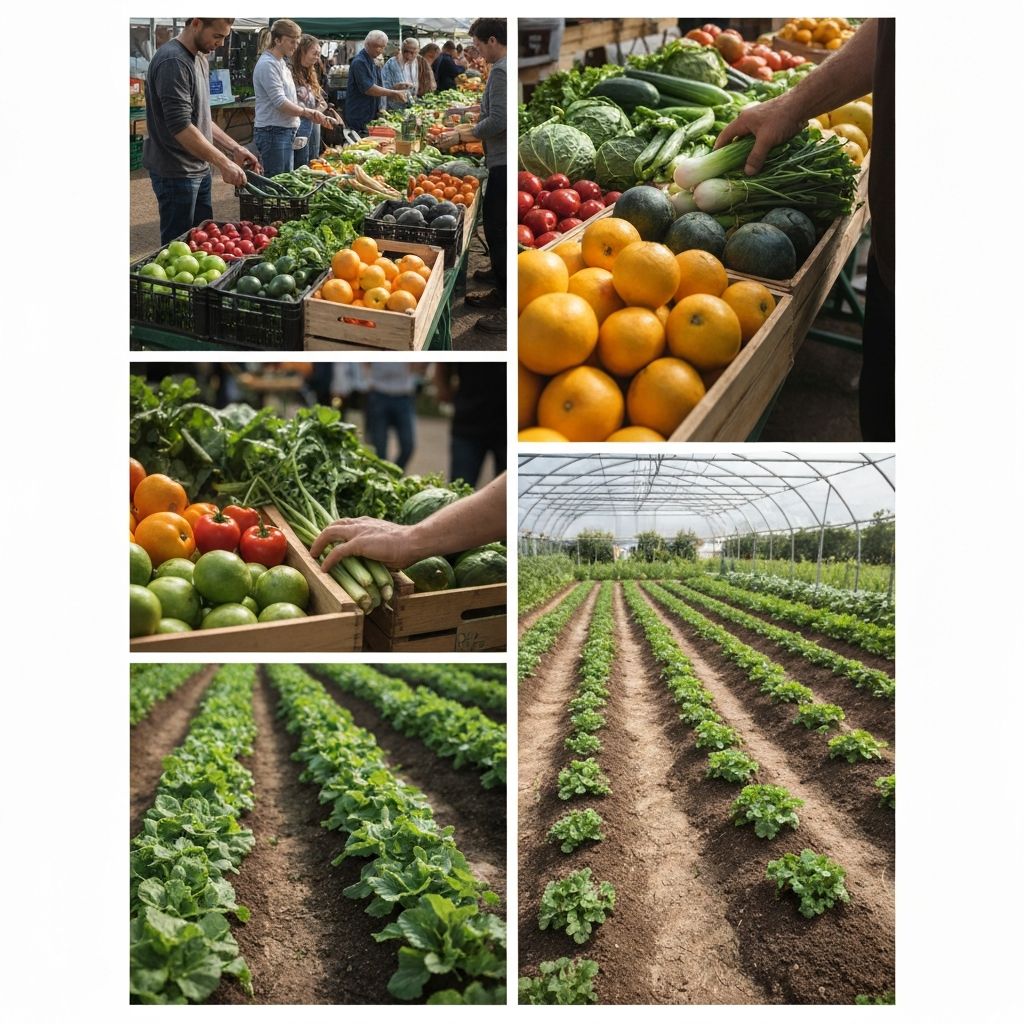
Whole, minimally processed foods—fruits, vegetables, legumes, whole grains, nuts, and quality proteins—form the foundation of sustainable eating. These foods are nutrient-dense, typically more satisfying, and often more affordable than highly processed alternatives.
Building Meals with Intention
Consciously including protein, fiber, healthy fats, and various micronutrient sources in meals contributes to satiety and nutritional completeness without requiring complex counting or restrictions.
Understanding Food Quality Gradients
Rather than viewing foods as strictly "good" or "bad," understanding that foods exist on a spectrum of nutritional value—and that regular inclusion of more nutrient-dense foods supports overall nutrition—allows for flexibility and realistic food choices.
Social and Practical Dimensions
Food is deeply social and cultural. Sustainable eating practices typically include enjoyment, social connection, and cultural participation—factors that are essential to psychological well-being and long-term adherence. Eating is not solely a nutritional or medical act; it is also a social, cultural, and pleasurable experience.
Practical factors such as time availability, cooking skills, budget, food access, and household dynamics all influence what eating practices are realistically sustainable for an individual. Sustainable approaches acknowledge these realities rather than ignoring them.
Individual Differences
What is sustainable for one person may not be for another. Genetic factors, food sensitivities or allergies, cultural backgrounds, activity levels, and personal preferences create significant variation in which eating approaches feel sustainable and supportive for different individuals.
This content provides educational information about sustainable eating principles. It does not constitute personal dietary recommendations or the suggestion that a particular eating approach is appropriate for any specific individual.
Further Reading
Educational Content Only
This site provides information for educational purposes only. It does not offer individual health or dietary recommendations. Approaches to well-being vary widely, and the content presented here is not a substitute for personal decisions or professional medical advice.